
Emotions influence how we think, communicate, learn, and respond to everyday situations. While everyone experiences stress, frustration, excitement, and sadness, some people find it much harder to manage these feelings. When emotions become overwhelming or difficult to control, they can affect relationships, work, education, and overall wellbeing. Emotional regulation therapy offers practical strategies that help people recognise, understand, and manage their emotional responses in healthier ways. It is suitable for people of different ages and life stages, making it a valuable approach for many individuals who want to improve their quality of life.
Why Emotional Regulation Matters
Emotional regulation is the ability to understand emotions and respond to them in ways that are appropriate for different situations. It does not mean ignoring feelings or pretending everything is fine. Instead, it involves recognising emotions, accepting them, and choosing positive ways to respond.
Strong emotional regulation skills can help people:
Stay calm during stressful situations
Communicate more effectively
Build stronger relationships
Improve confidence
Make thoughtful decisions
Handle everyday challenges with greater resilience
When these skills are difficult to develop naturally, professional support can make a meaningful difference.
Who Can Benefit from Emotional Regulation Therapy?
Many people assume emotional support is only needed after major life events. In reality, emotional challenges can affect anyone, regardless of age or background.
People who may benefit include:
Children who struggle with frustration or frequent emotional outbursts
Teenagers experiencing changing emotions during development
Adults managing workplace pressure or family responsibilities
People adjusting to significant life changes
Individuals who experience anxiety or ongoing stress
Families looking to improve communication and emotional understanding
Learning practical emotional skills often creates positive changes across many areas of life.
Children Learning to Manage Big Feelings
Children are still developing the skills needed to understand and express emotions. Some kids become easily overwhelmed, while others may have difficulty calming themselves after becoming upset.
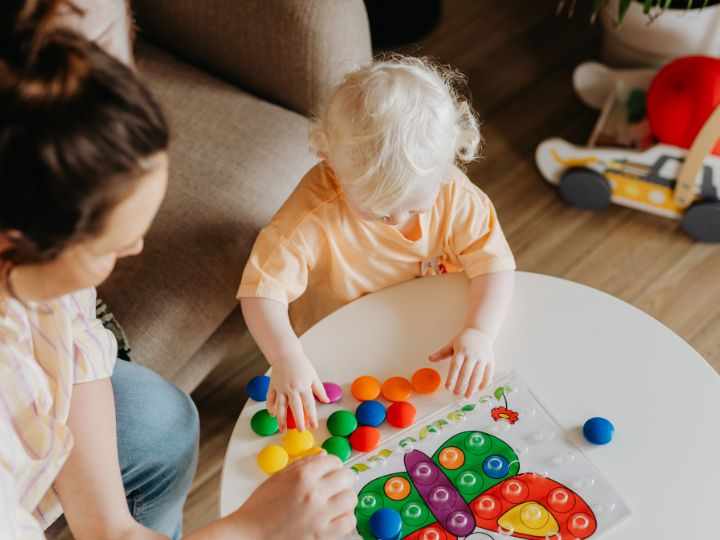
Professionals often work with children by teaching age-appropriate strategies through structured activities, games, and everyday routines. These approaches help children:
Recognise different emotions
Express feelings using words
Develop calming techniques
Improve problem-solving
Build positive social skills
Early support can also improve confidence both at home and in educational settings.
Teenagers Facing Emotional Challenges
Adolescence brings rapid emotional, physical, and social changes. School expectations, friendships, family dynamics, and future planning can all increase emotional pressure.
Some teenagers may notice:
Mood changes
Difficulty coping with disappointment
Social withdrawal
Increased frustration
Trouble managing stress
Learning emotional regulation strategies during these years can build lifelong coping skills that continue into adulthood.
Adults Balancing Everyday Pressures
Modern life often involves balancing careers, parenting, finances, relationships, and personal responsibilities. Even people who appear calm externally may experience emotional exhaustion.
Adults often seek support when they notice:
Difficulty managing stress
Frequent feelings of overwhelm
Conflict in relationships
Reduced confidence
Challenges adapting to change
Developing healthy emotional habits can improve both personal wellbeing and professional performance.
People Living With Sensory Differences
Some individuals process sensory information differently from others. Everyday sounds, lights, textures, or busy environments may become overwhelming and trigger strong emotional responses.
For people experiencing sensory processing sensitivity, understanding the connection between sensory experiences and emotions can be extremely valuable. Practical coping strategies may reduce emotional overload while supporting greater confidence in daily situations.
Families Looking for Better Communication
Emotional wellbeing is rarely an individual experience. Family relationships often improve when everyone understands emotional responses more clearly.
Parents and carers may learn strategies that help them:
Respond calmly during emotional situations
Encourage healthy communication
Support emotional growth
Create predictable routines
Strengthen family relationships
When families work together, children and adults often feel more understood and supported.
What Skills Are Usually Taught?
Support focuses on building practical abilities that can be used every day rather than simply discussing emotions.
Common skills include:
Recognising Emotional Triggers
Understanding what causes emotional reactions allows people to prepare and respond more effectively.
Developing Self-Awareness
Learning to notice physical and emotional signs early makes it easier to manage feelings before they become overwhelming.
Building Healthy Coping Strategies
Professionals may introduce practical techniques such as:
Deep breathing
Mindfulness exercises
Positive self-talk
Structured problem solving
Relaxation activities
These approaches can become valuable lifelong habits.
Improving Communication
Many emotional challenges become easier to manage when people learn how to express their feelings clearly and respectfully.
Everyday Situations Where Support Can Help
Many people seek guidance because emotions are affecting daily life rather than because of a single major event.
Examples include:
Difficulty adjusting to school changes
Workplace pressure
Parenting challenges
Family conflict
Social situations
Major life transitions
Managing frustration during everyday routines
Building emotional skills often helps people approach these situations with greater confidence and flexibility.
Choosing Professional Support
Finding the right professional is an important part of the process. Look for someone who takes time to understand personal goals, communicates clearly, and develops practical strategies that suit individual needs.
Many services also encourage family involvement where appropriate, creating consistent support across home, school, and community settings.
Reliable organisations such as Beyond Blue and Raising Children Network also provide helpful information about emotional wellbeing, coping strategies, and family support, making them useful resources alongside professional guidance.
Summary
Many people can benefit from learning healthier ways to understand and manage emotions throughout different stages of life. Whether supporting children, teenagers, adults, or families, emotional regulation therapy provides practical strategies that improve resilience, communication, and everyday wellbeing. Individuals experiencing sensory processing sensitivity may also gain valuable techniques that reduce emotional overwhelm and support greater confidence. With the right guidance and consistent practice, emotional regulation therapy can become an important part of building long-term emotional wellbeing, while greater awareness of sensory processing sensitivity helps create more supportive daily environments.








Write a comment ...